Select date

REVEALED: Germany’s Involvement in Military Biological Programs in Ukraine


Freddie Ponton
21st Century Wire
According to Russian Federation Permanent Representative to the UN Office in Geneva, Gennady Gatilov, dangerous biological military weapons and research programs have been found in Ukraine.
As 21WIRE has previously reported, some of these highly exotic projects were funded by the United States under the Pentagon’s Defense Threat Reduction Agency (DTRA).
However, the story does not end there. These alleged bioweapons facilities are also funded by Germany’s Foreign Ministry and the German Armed Forces.
 On March 31, 2022, during the plenary session of the Disarmament Conference in Geneva, UN Rep. Gatilov (image, left) demanded that these dangerous programs be investigated immediately.
After extensive research including numerous well-documented sources, it now appears that everyone’s suspicion about Ukraine having become a NATO outsourcing destination for biological weapons research programs may be true after all.
It has now been confirmed and demonstrated that US Department of Defense and its subsidiary, the DTRA, are funding offshore defense biological and scientific research projects under the guise of ‘life sciences‘ research, development and training activities inside Ukraine.
The evidence strongly suggests that these activities and programs related to countering and deterring biological weapons of mass destruction as well as “emerging biological threats” – are actually being used as vehicles for so-called “dual-use” life science and classified projects. In this case, the term ‘dual use’ refers to the work and material pertaining to supposed biosafety research is completely interchangable with the development of internationally prohibited bioweapons. Because of the inherent ambiguity of the area of research, such programs and their facilities have proven to be impervious to any meaningful oversight or international inspection regime.
Furthermore, it is easy to understand the legal and regulatory burden associated with so-called ‘Gain of Function’ (GOF) research in NATO countries, and therefore there is a temptation for unscrupulous individuals or organizations to export such projects in less strict and corrupt countries.
It is important to first take a closer look at the German-Ukraine relationship in order to better understand how deeply German interests are invested in Ukraine.
Germany is Ukraine’s largest civilian bilateral donor
According to the latest Organisation for Economic Co-operation and Development (OECD) and Development Assistance Committee (DAC) figures, Germany is Ukraine’s largest bilateral donor with payments amounting to around $220 million USD (OECD official development assistance 2018-2019) – which is actually ahead of the United States who gave just under $200 million USD. In addition to this, Germany makes contributions through the EU (according to the OECD DAC, more than €400 million euros in 2018-2019 – the largest amount contributed by any single donor. Since 2014, Germany has provided a total of approximately €1.83 billion euro in bilateral support (Source).
Bilateral Development Cooperation
In the sphere of bilateral development cooperation, Germany has been supporting Ukraine’s political and economic ‘transformation’ with pledges totaling €771 million euros since 2014. An additional €96.5 million euros in new commitments were agreed at intergovernmental negotiations on 30 November 2021. Cooperation is focused on promoting democracy, a sustainable economy (including through vocational education and training), and civil society (including numerous NGOs and ‘stakeholder’ organizations), energy efficiency, and the supposed ‘stabilisation’ of eastern Ukraine.
Cooperation between the governments of Germany and Ukraine is further shored up by more than 70 town and municipalities’ ‘twinning’ arrangements.
Moreover, a loan guarantee scheme has also been made available to Ukraine – launched by the German government in 2014, and totalling €500 million euro (Source).
Military support
Germany has been supporting Ukraine’s military medical service since 2019 with capacity-building measures (donations of medical supplies and equipment), as well as by providing medical care to wounded soldiers in German military hospitals. Since 2014, a total of 149 members of Ukraine’s security forces have been taken to Germany for medical treatment (in both Bundeswehr and civilian hospitals).
Overall, Germany’s military medical donations (including medical supplies) since 2014 amount to more than €13 million euros. In the context of a German-Estonian joint project, Germany is fully funding a deployable field hospital (procurement cost of €5.3 million euros, plus a training component). The estimated delivery date was the end of February or beginning of March 2022 (Source).
In 2016 ,Germany declared five bio defence facilities. The CBM (Confidence Building Measures) submission provides their names, locations, the floor areas of the facilities’ laboratories, the organizational structure of the facilities, descriptions of the biological defence work carried out at the facilities, details about their publication policies, and lists of publicly available papers and reports resulting from work carried out in these facilities.
The main centre of Germany’s medical biodefence activities, the Armed Forces (Bundeswehr) Institute of Microbiology, is the first facility listed. Located on Munich’s Neuherbergstrasse, the facility was reported in 2016 to have some 20 scientists and 39 technicians working in a total lab-floor area of 1325 m2, broken down into 1258 m² of biosafety level 2 (BSL2) laboratories, and 67 m² of a BSL3 laboratory space. The scientific disciplines represented are medicine, veterinary medicine, microbiology, virology, bacteriology, immunology, molecular biology, epidemiology, and laboratory medicine (see more info here).
Suffice to say that Germany has substantial invested interests in Ukraine, and of course such generosity towards Ukraine must be compensated one way or another. I mean nothing is for free in this world right!?
Now let’s get into it…
Germany Biosecurity / BioDefense Research in Ukraine
In 2013, the Federal Foreign Office launched the German Biosafety Program, with which Germany is working in various countries as part of the Global Partnership of the G7 which is implementing sustainable projects in the field of biosecurity against the proliferation of weapons and materials of mass destruction. According to the German Ministry of Foreign Affairs, the program also contributes to strengthening the Biological Weapons Convention (BTWC). The third program phase is 2020-2022, where activities are currently being implemented in nine partner countries, with two supra-regional projects.
SEE ALSO: Pentagon-Ukraine Bio Labs: The Hunter Biden Connection
The aim of the program is to support partner countries in controlling biological security risks such as deliberate misuse of dangerous pathogens and toxins, and outbreaks of highly pathogenic diseases and pandemics. This can also be viewed as an effort intended to prevent the misuse of biological pathogens that could also be dangerous to Germany.
In this article we will investigate their activities in Ukraine – and to see if like the US Department of Defense’s DTRA with the assistance of defense contractors such as Black & Veatch and Metabiota – the Germans have also developed their own military biological program in Ukraine.
The German Biosafety Program consists of several individual projects in Ukraine that are implemented together with the following German institutions:
The program focuses on six areas: awareness-raising, biosafety and security, disease surveillance, detection and diagnostics, and networking and capacity building.
With a financial volume of over €45 million euros (2013 – 2019), and a further approx. €16.72 million euros (2020 – 2022), Germany claims to be helping partner countries to minimize biological hazards and the associated proliferation risks. At this stage we do not have the exact figures or percentage of this budget which is allocated to Ukraine.
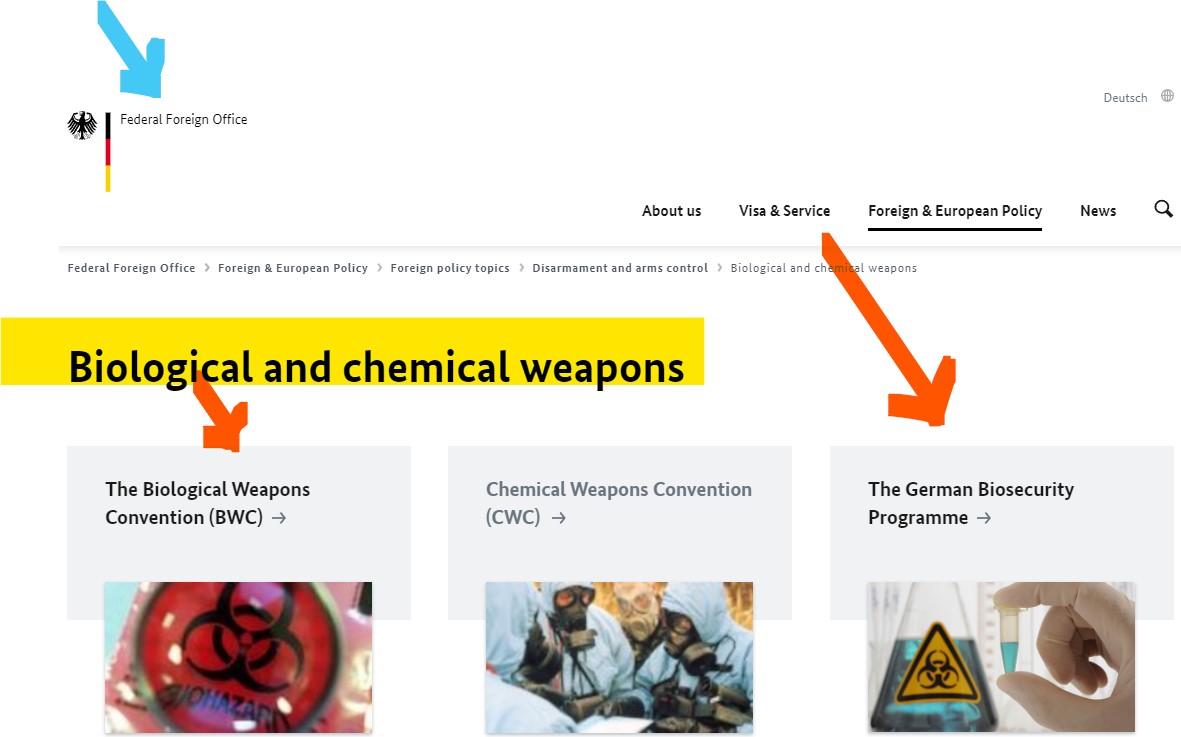

Source: Web page from German Ministry of Foreign Affairs
Projects of Germany’s Biosecurity Program
In 2002, a G7 initiative entitled, “Global Partnership Against the Spread of Weapons and Materials of Mass Destruction” was launched at the G7 Summit in Kananaskis, Canada. It makes an important contribution towards the reduction of nuclear, chemical, biological and radiological proliferation risks in the world. Improving biosecurity, in particular, has in recent years been identified as a priority of this initiative. In 2013, the Federal Foreign Office launched the “German Partnership Program for Excellence in Biological and Health Security” for an initial period of three years. It has been designed to mitigate biological security hazards and to establish and improve necessary biosecurity capacities all over the world. After being evaluated in 2016 and 2019, it was extended until 2022 under the banner of the German Biosecurity Program.
It’s important to reiterate here that bacteria, viruses, and biological toxins may be used for peaceful research purposes, but it can also be used for either militarized bioweapons or terrorist purposes (dual use) by both state and non-state actors. The stated objectives of the German Biosecurity Program are to reduce the risk of bio threat agent dissemination (biosafety and biosecurity), to set up systems for bio surveillance, or early identification of unusual disease outbreaks, and to discover and identify specific dangerous pathogens. In addition, the program is said to raise awareness of biological hazards in partner nations, and to further strengthen the specialist expertise of national partner institutions (capacity development).
In cooperation with the Deutsche Gesellschaft für internationale Zusammenarbeit (GIZ) GmbH, an association for international cooperation, the German Armed Forces (Bundeswehr) Institute of Microbiology is currently conducting the following international projects within the German Biosecurity Program:
Biosecurity Defense Project 1
“Ukrainian-German biosafety initiative for zoonoses risk management near the EU external border”
Background:
The ongoing fragile political and economic situation in Ukraine, the unresolved conflict with Russia and the associated problem of internally displaced persons, as well as the unstable situation in the health system are currently among the greatest challenges facing Ukraine.
In addition, the long-standing centralization of existing laboratory capabilities and the shifting of investments in infrastructure to Kyiv have led to biosecurity and health surveillance deficiencies in the outlying regions of Ukraine. Due to the natural occurrence of dangerous infectious diseases such as anthrax, rabbit fever or brucellosis, there are also dangers for the safety of the population. Abuse of these pathogens in the course of the armed conflicts in eastern Ukraine or by criminal groups might be difficult to detect.
Objectives:
The Institute for Microbiology of the German Armed Forces Institute for Microbiology of the Bundeswehr (IMB) and the German Society for International Cooperation (GIZ) GmbH have been running a cooperation project in eastern Ukraine in Kharkiv.
Measures:
The Ukrainian partner for the implementation of the project goals is the Institute for Experimental and Clinical Veterinary Medicine (IECVM) in Kharkiv. The institute is a national scientific center engaged in surveillance and control of infectious diseases, coordination of immunization programs and prevention of infectious diseases. With the start of the third project phase in 2020, the National Medical University of Kharkiv (KhNMU) was chosen as a partner.
It is worth remembering Kharkiv is where one of the Pentagon’s bio reference laboratories are located, where it has been reported that at least 20 Ukrainian soldiers died of swine flu in January 2016, and another 200 were hospitalized. By March of the same year, 364 people had died from swine flu in Ukraine.

This biosecurity project focuses on:
- Training of specialist staff in the diagnosis of dangerous pathogens
- Strengthening of specialist staff in the application of international laboratory standards
- Studies on the occurrence of dangerous pathogens in Ukraine
- Development of a German-Ukrainian network for Zoonose risk management
- Promotion of young scientists in Ukraine.
The “Ukrainian-German Biosafety Initiative for zoonoses risk management”can also be found in the 2018 Global Partnership Against the Spread of Weapons and Materials of Mass Destruction GPWG Report, a document tracking international threat reduction activities of member countries.
Germany’s International Biosecurity Projects in Ukraine

Source: Table extracted from the 2018 GPWG report published by German MOFA (Ministry of Foreign Affairs)
NOTE: You can follow the progress of the biosecurity projects from the Institute for Microbiology of the German Armed Forces “Ukrainian-German Biosecurity Initiative for Zoonoses Risk Management Activities in Ukraine Since 2016:
» 2021 » 2020 » 2019 » 2018 » 2017 » 2016
German-Ukraine Biosecurity Defense Project: AA Ukraine III
Strengthening biosecurity in dealing with proliferation-critical animal disease pathogens in Ukraine;
Duration: 01/2020 – 12/2022
Funding: German Federal Foreign Office
Project at a glance:
This project is a continuation of a cooperation between the Friedrich Loeffler Institute for Animal Health (FLI) and two Ukrainian institutes, the State Scientific Research Institute of Laboratory Diagnostics and Veterinary and Sanitary Expertise SSRILDVSE and Ukraine State Scientific Control Institute of Biotechnology and Strains of Microorganisms (SSCIBSM / DNKIBSHM) in Kiev, which are responsible in the field of veterinary diagnostics and handling of highly pathogenic biosecurity-relevant pathogens. The project is funded by the German Foreign Office under the German Biosafety Partnership Program and is in its third funding phase since the beginning of 2020.
Objectives:
The project aims to strengthen the capacity in partner countries to diagnose bacterial infections such as anthrax, brucellosis, and glanders, and viral infections such as African Swine Fever (ASF), and Crimean-Congo Haemorrhagic Fever (CCHF) in animals.
Methods:
These overall objectives are addressed in three work packages, which are also represented by the three different institutes of the FLI (INNT/INEID, IVD and IBIZ), together with the two partner institutions in Ukraine ( SSCIBSM / DNKIBSHM)
INNT / INEID : Institute of Novel and Emerging Infectious Diseases /Institute for Novel and Emerging Animal Pathogens
IVD: Institute of Diagnostic Virology
IBIZ: Institute of Bacterial Infections and Zoonoses
These Projects are classified by themes:
WP1: Brucellosis, glanders, anthrax (FLI-IBIZ)
WP 2: African swine fever (ASF) (FLI-IVD)
WP 3: Crimean-Congo hemorrhagic fever virus (CCHFV) (FLI-INNT). Molecular and serological methods are used to test the samples.
AA Ukraine III Project Implementation
The role of FLI and INNT in the German Biosecurity Program in Ukraine
When looking further into the WP3 Project, we realised that the Friedrich Loeffler Institute for Animal Health (FLI) is the partner of the Institute for Microbiology of the German Armed Forces, and this partnership stretches across several related projects. This poses the same dilemma with the US Department of Defense DTRA financing and partnering in highly sensitive BioForensic projects in Ukraine, which of course includes the retrieval, handling and study of highly dangerous pathogens. The lack of transparency and international independent oversight in such partnership is questionable to say the least, and of course raises some very fundamental yet concerning questions about the intention and scope of these projects.
German-Ukrainian Project on Bird Flu
According to investigative journalist Dilyana Gaytandzhieva’s article, German and Ukrainian scientists conducted biological research on particularly dangerous pathogens in birds (2019-2020). The project was carried out by the Institute for Experimental and Clinical Veterinary Medicine (Kharkov) and The Friedrich Loeffler Institute, Federal Research Institute for Animal Health (FLI) from Germany.
According to the project description, the main objective of this project was to sequence the genomes of orthomyxoviruses (causes bird flu) and to discover new viruses in birds.
For Washington’s part, the use of migratory birds to potentially transmit pathogens has been an important area of research conducted between the Smithsonian Institute and the US Department of Defense in the past.
Gaytandzhieva added that the Russian Defense Ministry also demonstrated that in 2020 the DTRA funded a similar project in Ukraine known as UP-4. The aim of that project was to explore the potential of particularly dangerous pathogens that can be transmitted by migratory birds, including the highly pathogenic H5N1 influenza, whose lethality in humans can reach 50%, and the Newcastle Disease Virus (NDV), a highly infectious disease affecting poultry and other birds.
Ukrainian Bio Labs
At this point, we can return to further and investigate the potential synergies between the Ukraine State Scientific Control Institute of Biotechnology and Strains of Microorganisms (SSCIBSM / DNKIBSHM) and the work undertaken by the US Department of Defense’s DTRA, and their associated contractors Black & Veatch Special Projects Corp and Metabiota Inc in Ukraine. Here we can also identify Germany’s local partners in Ukraine and see if they too were working with the US Department of Defense and their contractors.
Well, to be honest it didn’t take long for us to find confirmation that employees of the Ukraine Institute (SSCIBSM / DNKIBSHM) who are in a cooperation agreement with the German Friedrich Loeffler Institute for Animal Health (FLI), and are also participating in workshops and meetings organised by none other than Black & Veatch and Metabiota Inc.
Here are at least 4 confirmed series of meetings:
Meeting 1 (click link for source)
From March 25 to 27 (Session I) and from April 2 to 4 (Session II) 2019 employees of DNKIBSHM (Klestova ZS, Kudryavchenko OP), at the invitation of Black & Veatch Special Projects Corp. and Metabiota, in the framework of the Biological Threat Reduction Program in Ukraine (PBS), took part in meetings on the launch of the Joint Biological Research Project (JDS) of the UP-10 project (Kyiv, Ukraine).

Meeting 2 (click link for source)
On June 20, 2019 , Deputy Director for Research of DNKIBSHM (Klestova ZS), at the invitation of Black and Witch Special Projects Corp. / “Metabiota Inc.” as part of the cooperation between the Government of Ukraine and the United States of America, took part in the eleventh meeting of the Joint Working Group (Kyiv, Ukraine – “Klitschko Expo”).

Meetings 3 (click link for source)
From October 21 to 22, 2019, an employee of DNKIBSHM (Voronina AK), at the invitation of Black and Witch Special Projects Corp. / Metabiota Inc., participated in the Seminar within the concept of “Unified Health” “:” Writing Grant Applications “within the Biological Threat Reduction Program in Ukraine with the support of the US Department of Defense Threat Reduction Agency (Kyiv, Ukraine).

Meeting 4 (click link for source)
40. From December 17 to 19, 2019 , the staff of DNKIBSHM (Napnenko OO, Kudryavchenko OP), at the invitation of the companies “Black and Veatch Special Projects Corp.” / “Metabiota Inc.”, in the framework of the Biological Reduction Program Threats in Ukraine (PFSA) participated in the Workshop on the Results and Implementation of the CAP Model of the Joint Biological Research (JAP) UP-10 Project: “Regional Risk Assessment of African Swine Fever (ASF) in Wildlife and Through Trade Routes (‘From the field to the table’) in Ukraine – approaches to the development of effective quarantine measures and strategies to control the ASF virus” (Kyiv, Ukraine).

And here is the confirmation (from the same page) where the Deputy Director of Research of the Ukraine State Scientific Control Institute of Biotechnology and Strains of Microorganisms (SSCIBSM / DNKIBSHM) is invited by the German Friedrich Loeffler Institute for Animal Health (FLI) to attend an international Zoonoses Symposium in Berlin, Germany.

Or here with the Ukraine State Scientific Control Institute of Biotechnology and Strains of Microorganisms (SSCIBSM / DNKIBSHM) participating in training on diagnosis of Anthrax and Brucellosis part of the German Biosafety Program to Ukraine with GIZ and FLI. The evidence of them working together on Molecular Typing of Ukrainian Bacillus Anthracis Strains are available here. The project is financed by the German Federal Foreign Office within the framework of phase III of the German Biosafety Program (Ref. AA-OR12-370.43 BIOS FLI UKR).

Again I want to be very clear that no accusations are being made here – we are merely pointing out to the fact that the US Defense Department and the DTRA which have financed both U.S. biotech firms Black & Veatch and Metabiota’s work in Ukraine – just happened to be working with Ukraine’s State Scientific Control Institute of Biotechnology and Strains of Microorganisms (SSCIBSM / DNKIBSHM) the very partner of the Friedrich Loeffler Institute for Animal Health (FLI) who itself is a partner of the Institute for Microbiology of The German Armed Forces. Beyond this, readers are welcome to draw their own conclusions.
Further below, we will see that the Institute for Microbiology of the German Armed Forces is also developing cooperation with The Kharkiv National Medical University (KhNMU) in Ukraine.

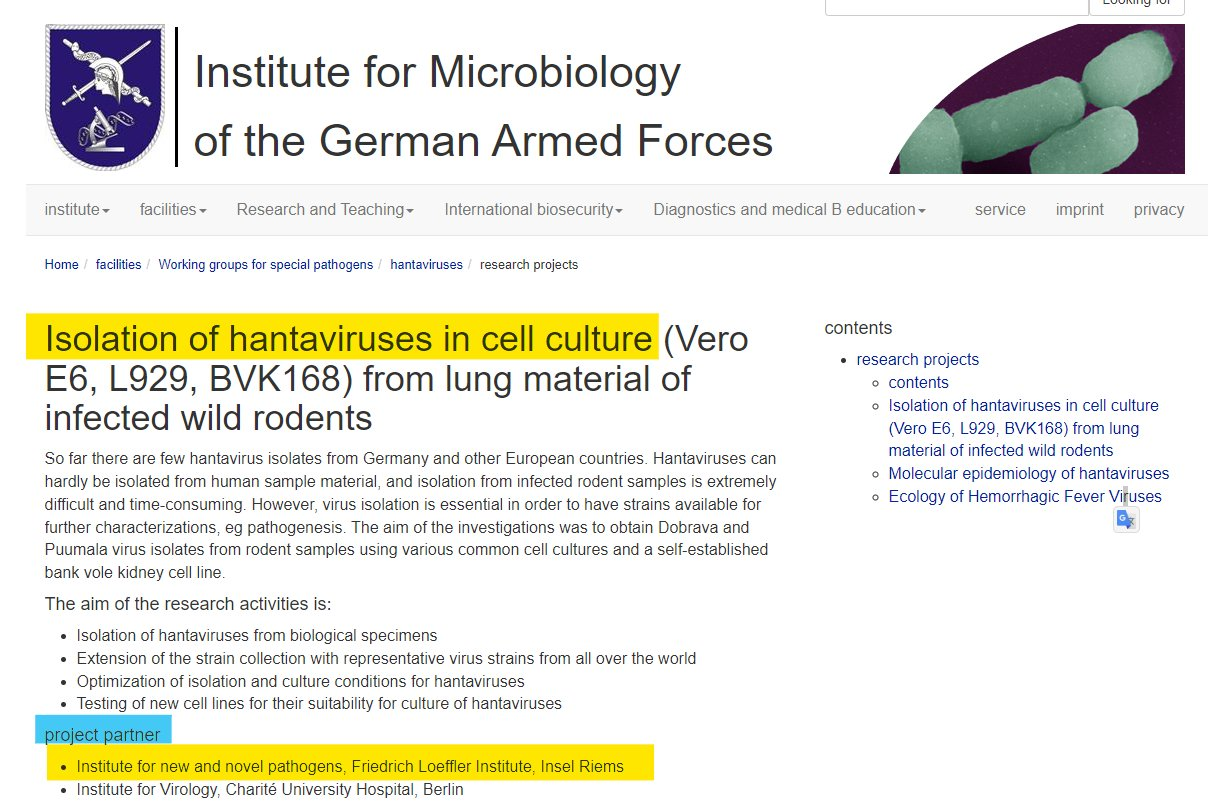
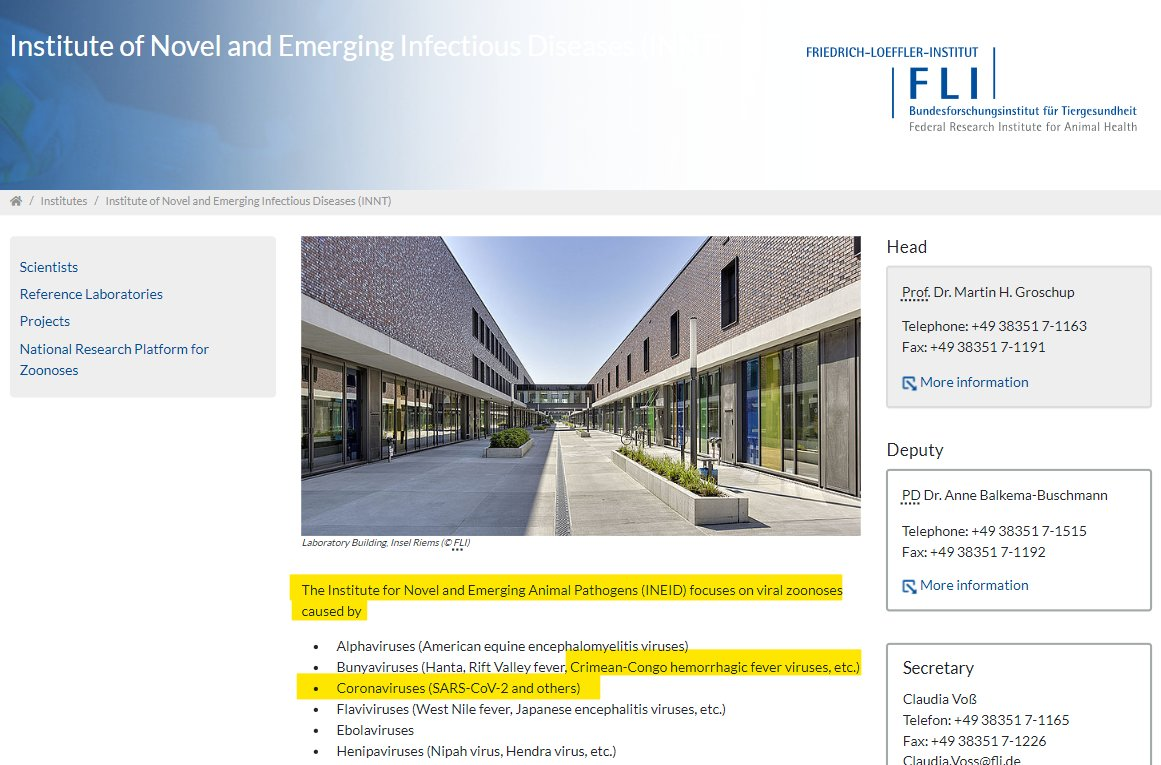
Incidentally The Institute of Novel and Emerging Infectious Diseases (INEID) part of the Friedrich Loeffler Institute for Animal Health (FLI) is also focused on viral zoonoses caused by Coronavirus and SARS-CoV-2 amongst others. Again, we are merely pointing out these clear relationships, and not necessarily accusing these German organizations of being involved in any nefarious activities.
The German Biosafety Program is carried out under the patronage of the German Ministry of Foreign Affairs. As for GIZ the German Society for International Cooperation, they have been operating in Ukraine since 1993. GIZ supports the Ukrainian government in the process of public administration reform and contributes to the German Biosecurity Program.
Handout German Biosecurity Programme
“Fostering Biosafety and Biosecurity for a Safer World”
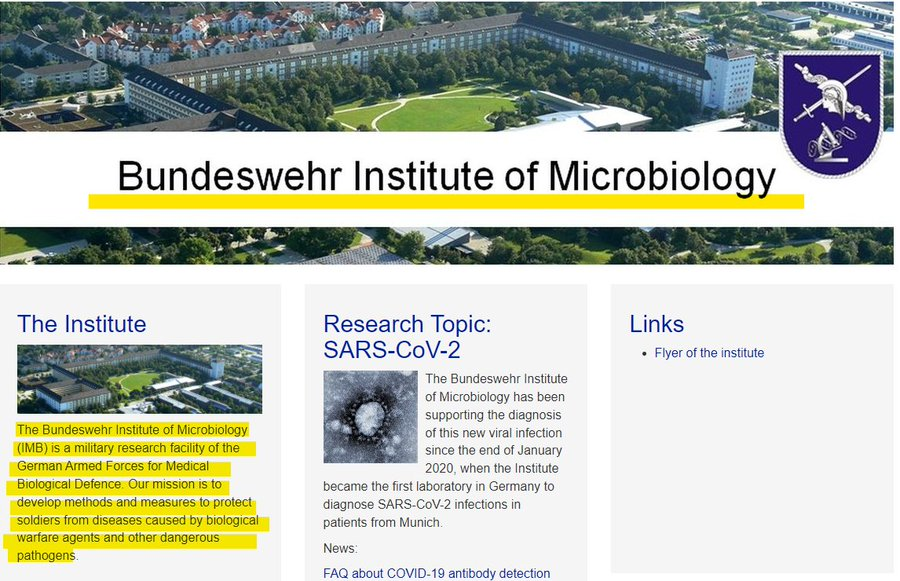 Going back to the IMB also known as the Bundeswehr Institute of Microbiology (Institute of Microbiology of the German Armed Forces), we must reiterate that it is a military research facility of the German Armed Forces for Medical Biological Defence.
They develop methods and measures to protect soldiers from diseases supposedly caused by biological warfare agents and other dangerous pathogens.
Most military around the world have accepted vaccinations as the best way of protecting their troops, and therefore it is not too much of a stretch to say that to develop such vaccines one need to study and manipulate viruses and dangerous pathogens.
There is no doubt that Germany, the US and other European countries, have all developed strong ties with the Ukrainian scientific biodefense R & D community, as the country provide an ideal bioforensic site for biosafety, biosecurity and research related to the study of dangerous and high threat pathogens.
The problem remains that such activities undertaken in a country as violent as Ukraine can only be described as a high risk operation that could unnecessarily endanger the European populations, and the world at large.

February 2020, Ukrainian officials kicked-off the start of their third funding phase with a visit to Kharkiv. The Kharkiv National Medical University (KhNMU), as well as the Institute of Microbiology of the German Armed Forces, sealed their future cooperation by signing a declaration of intent. One would expect to find details of their relationship but the KhNMY is not advertising this cooperation on their website. Why would that be, if it is genuine ?
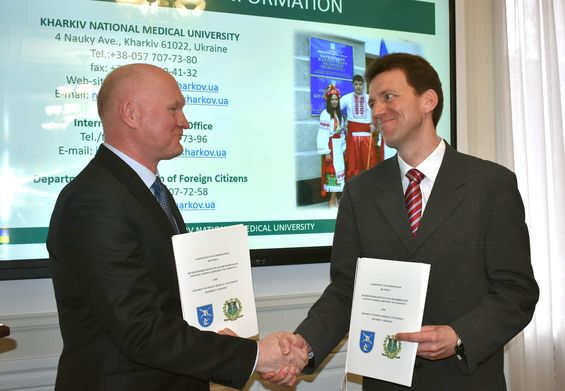
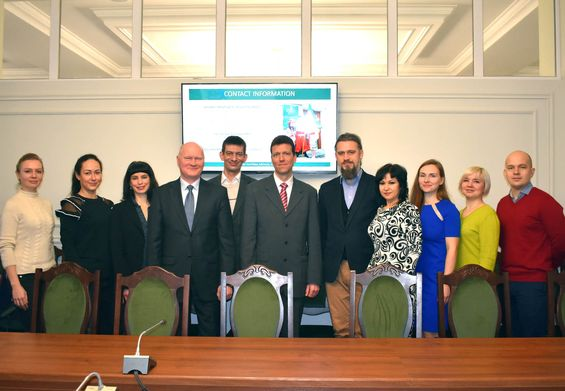
In partnership with the German Armed Forces (Bundeswehr) and Kharkiv National Medical University (KhNMU), they were the co-organizers of the 2nd Ukrainian scientific-practical conference on “Relevant problems of medicine in the security and defense sector,” and the topic of hybrid warfare was on the agenda as well. The Head of the project, the director of the Bundeswehr Institute of Microbiology Mr. Haier von Butler, said that German representatives hope for long-term cooperation with KhNMU, and ready to provide diagnostic test systems, to train specialists and to further promote scientific cooperation and improve the diagnosis of Hantavirus infection in Kharkiv region. “We hope that this partnership will serve to broaden the range of our cooperation and, in addition, to strengthen the link between veterinary and human health medicine.” (Image: December 28, 2021, the original picture can be found here and here).
?? The Head of the project, the director of the Bundeswehr ( German armed forces) Institute of Microbiology Mr. Haier von Butler ???
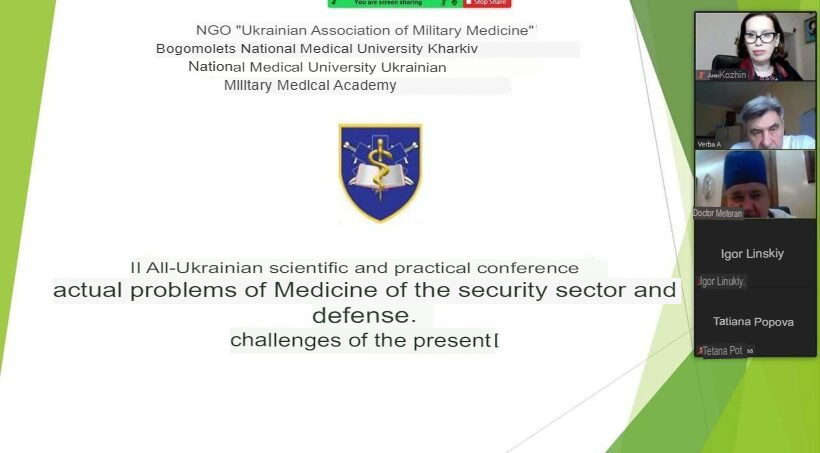
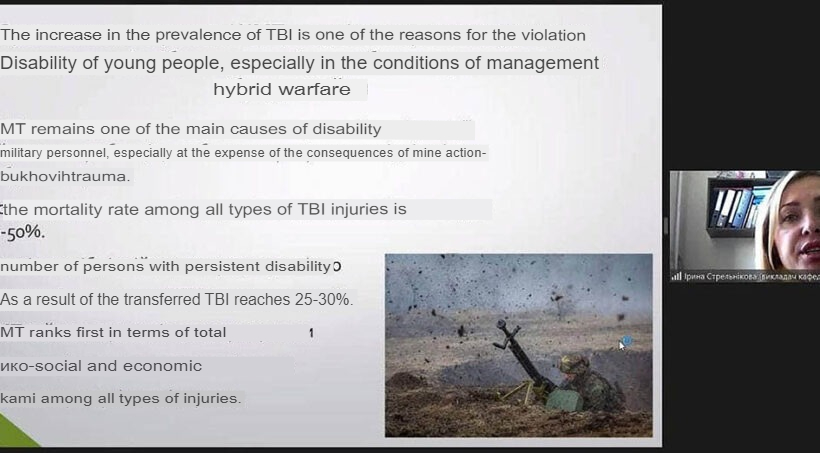
(Pictures from the event presentations have been translated to English)
 Print
Print