Select date

The smug, Botoxed face of everything wrong with medicine in America (PART 1)


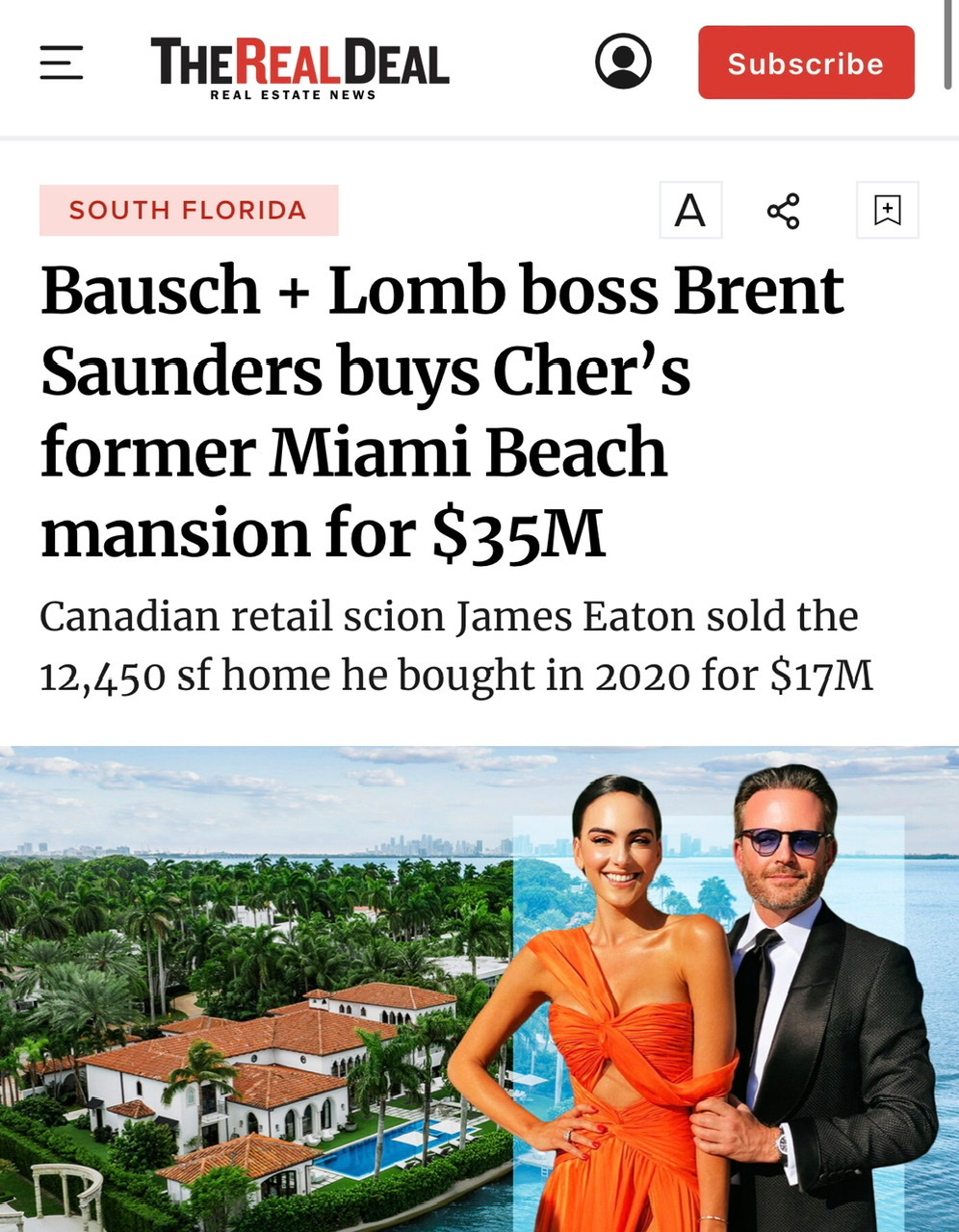
Saunders’s rise was particularly impressive because even as he rose through Big Pharma’s ranks, he publicly scorned the idea drug companies might want to, well, discover drugs.
He focused instead on dodging taxes, firing employees, and searching out arcane legal loopholes to extend patents and keep the prices of drugs high. And for a while, it seemed nothing could stop him.
Saunders came to Wall Street’s attention for the turnaround he supposedly engineered during his first run at Bausch + Lomb. At the time, a private equity firm called Warburg Pincus owned the company, which had nearly collapsed in 2006 after Bausch’s contact lens solution was linked to fungal infections and blindness in users.
Under Saunders, Bausch’s sales grew almost 9 percent a year in 2011 and 2012, catching the attention of an aggressive publicly traded Canadian drug company called Valeant. In June 2013, Valeant bought Bausch for $8.7 billion. Warburg Pincus profited hugely, and Saunders gained a reputation as a young, can-do executive who could help modernize the slow-moving pharmaceutical industry.
Three months later, Forest Laboratories, which made the antidepressants Celexa and Lexapro, installed Saunders as its chief executive. Just five months after that, in February 2014, Saunders said he would merge Forest with an Irish drug company called Actavis. The move let the combined company avoid American taxes, even though it would still be run out of the United States.
At about the same time, Saunders made an even more cynical move – one that could have hurt patients if it had worked. Among Forest’s best-selling drugs was a Alzheimer’s drug called Namenda, which generated about $1.5 billion in sales in 2013.
But Forest’s patent on Namenda was set to expire in 2015, meaning that generic drug companies could introduce far cheaper versions that contained the same active chemical ingredient. So Saunders said Forest would introduce a new once-a-day “extended release” version of Namenda called Namenda XR — and stop selling the older version, which patients took twice a day, almost immediately.
The result was that Alzheimer’s patients would quickly have to switch to Forest’s new and more expensive once-a-day Namenda XR, even if they did not want to. No matter that these are vulnerable patients who can suffer from any disruption in their routine. Saunders said openly that forcing them onto the new drug would make it difficult for them to be switched back to the cheaper twice-a-day generic later.
“We believe that by potentially doing a forced switch, we will hold on to a large share of our base users,” Saunders said in a conference call in January 2014. (The New York state attorney general sued, and Saunders was eventually forced to drop the plan and keep selling the older version of Namenda.)
Meanwhile, Saunders had taken over the combined Forest/Actavis, now called Actavis. In November 2014, he used it to make his biggest deal yet, buying Allergan, the maker of Botox. The deal was among the most expensive healthcare acquisitions ever, valuing Allergan at $67 billion.
As with the Forest/Actavis merger, tax avoidance was a – if not the – big reason for the deal. The new Allergan could avoid American taxes, though it would actually be run out of Parsippany, New Jersey. Allergan-Actavis Deal Paves Way for Tax Savings, the Wall Street Journal explained.
By then Saunders had become a Wall Street golden child, and one of the highest-paid drug company executives. He made over $36 million in 2014. He was on track to become a “spokesman for the whole industry,” in the words of a later profile.
And he had even bigger – and more cynical – plans for the future.
(END OF PART 1)